Small Hours
CBT-I referral sheet
For family doctors, nurse practitioners and other clinicians. Thirty seconds to read; one page to print.
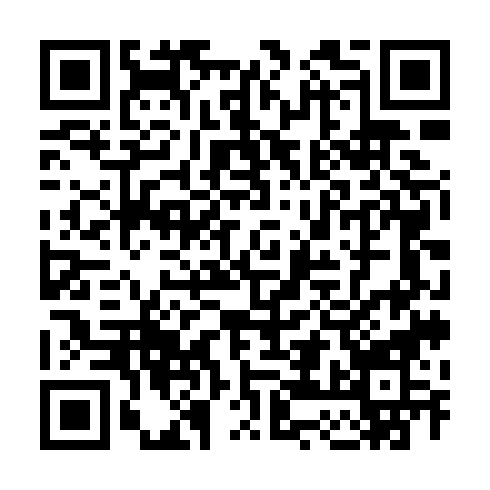
www.trysmallhours.com
What CBT-I is
Cognitive behavioural therapy for insomnia: a structured, time-limited program that re-trains the timing of sleep and the thinking that keeps insomnia going. [1][2]
The American College of Physicians, the American Academy of Sleep Medicine and the European Insomnia Guideline each recommend it as the initial treatment for chronic insomnia in adults, with medication considered only if it is not enough. [1][2][3]
Who it suits
Adults with chronic insomnia: trouble falling or staying asleep, or waking early, on three or more nights a week for three months or more, with daytime consequences, despite enough opportunity to sleep. [3]
Trials show benefit with and without co-existing psychiatric or medical conditions; a 2015 meta-analysis of 20 trials found improved sleep onset, less time awake at night and higher sleep efficiency, maintained at follow-up. [2][4]
Assess first, or refer on, when
Sleep restriction, a core component, may be contraindicated for people in high-risk occupations such as drivers and heavy-machinery operators, people predisposed to mania or hypomania, people with poorly controlled seizure disorders, and people with excessive daytime sleepiness. [2]
Another sleep disorder is suspected, for example sleep-related breathing disorder or periodic limb movement disorder, which the European guideline says calls for polysomnography rather than CBT-I alone. [3]
Small Hours asks about these occupations and conditions at the start and offers a version without sleep restriction. Patients self-report and can decline, so the judgement stays yours.
How to point a patient to it
Say the address, or let them scan the code. Small Hours is free to start, runs in the phone's web browser with nothing to install, and signs up by email or Google. The patient does it all; nothing reaches you unless they share it.
A one-page patient handout prints from trysmallhours.com/clinicians/patient-handout. More for clinicians (the maths in full, the evidence, free access to see what your patient sees): trysmallhours.com/clinicians.
What the patient can bring back
A progress report they make from their own diary (PDF, printable, fax-safe): a summary in words, four headline figures, and three charts on one date axis: sleep efficiency night by night with each window change marked, the prescribed sleep window against time actually in bed, and how each night was made up. The later pages hold the numbers behind every chart. No score and no prediction.
Small Hours is not a medical device, a diagnostic or a replacement for you. It delivers the standard, guideline-supported components of CBT-I and makes no outcome claims of its own. Self-guided, for adults. Made in British Columbia, Canada.
References. Written by Small Hours from the published guidelines below. References checked 7 October 2026. www.trysmallhours.com/clinicians
- Qaseem A, Kansagara D, Forciea MA, Cooke M, Denberg TD. Management of chronic insomnia disorder in adults: a clinical practice guideline from the American College of Physicians. Ann Intern Med. 2016;165(2):125-133. PubMed
- Edinger JD, Arnedt JT, Bertisch SM, et al. Behavioral and psychological treatments for chronic insomnia disorder in adults: an American Academy of Sleep Medicine clinical practice guideline. J Clin Sleep Med. 2021;17(2):255-262. PubMed
- Riemann D, Espie CA, Altena E, et al. The European Insomnia Guideline: an update on the diagnosis and treatment of insomnia 2023. J Sleep Res. 2023;32(6):e14035. PubMed
- Trauer JM, Qian MY, Doyle JS, Rajaratnam SM, Cunnington D. Cognitive behavioral therapy for chronic insomnia: a systematic review and meta-analysis. Ann Intern Med. 2015;163(3):191-204. PubMed